Priced energy-first
Data centers already use about 1.5% of the world's electricity, and that share is growing.1 We treat energy as the line item that sets the price of compute, and we control it.
AI-only data centers · Alaska
We build AI data centers where power is abundant and cooling is nearly free: contracted Alaska natural gas, generated on site, and cooled by Arctic air.
01 Thesis
Most data centers are sited near users and then go looking for power. We do the reverse. We start where energy is stranded and the air is cold, and we price every megawatt of compute from there.
Facility overhead for every 100 MW of IT load
Data centers already use about 1.5% of the world's electricity, and that share is growing.1 We treat energy as the line item that sets the price of compute, and we control it.
Cooling is the biggest overhead in a data center. Outside-air economization in the Arctic cuts the energy spent on chillers, so more power goes to GPUs.
We buy natural gas under contract and generate power behind the meter, next to the load. No transmission line to build and no interconnection queue to wait in.
02 Platform
We control each layer that sets the cost of compute: the fuel, the power plant, the building and the capacity on top. Fewer handoffs, fewer margins stacked on one another.
Power and space first: reserved capacity for hyperscalers, Compute Vaults for venture funds and direct AI colocation. Over time, Arctic Cloud: contracted GPU clusters on our own power.
AI-only campuses designed around Arctic air. A 50 MW first campus, then a multi-site Alaska platform of three to four sites.
Gas-to-power. We contract Alaska natural gas and turn it into electricity on site, behind the meter, sized to the load it serves.
Energy enters at the bottom of the stack. Every layer above it is priced from that cost.
03 Offerings
Power and space, built for AI and HPC only. Each offering is for workloads that care more about cost per megawatt than distance to end users.
Backup and overflow capacity, reserved in advance, for training runs, fine-tuning and batch inference: work that needs power, not proximity. We plan to offer up to about half of our capacity this way.
Self-storage for compute. A venture fund owns dedicated capacity on our campus and assigns it to its portfolio startups. If a startup fails, the fund backfills the space with another one.
Power, cooling, space and connectivity for teams that bring their own GPUs and servers, priced from our energy cost. That includes a home for GPU fleets from stalled projects that still need power and cooling.
How a Compute Vault works
The investor owns the capacity and the portfolio uses it. The legal structure, including which entity holds the hardware, is still being designed.
04 Sites
We plan three to four sites where gas, roads and fiber meet. Three corridors are under evaluation today; we don't own or lease any of them yet. Alaska's main utilities have said they can't serve a large data center today,5 which is why we generate our own power.
1North Slope · Lead corridor
Along the Dalton Highway from Franklin Bluffs to Deadhorse, next to the largest pool of stranded gas in the state.
2Cook Inlet
An established industrial corridor on the Kenai Peninsula with infrastructure already in place.
3Kenai Peninsula
Onshore Cook Inlet gas near the Sterling Highway, where new gas development has been planned.
05 Roadmap
Each phase depends on the one before it. Timelines and sizes are targets.
06 Team

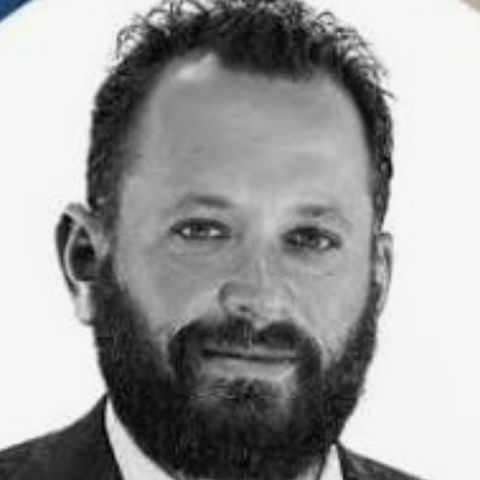
Co-founder & CEO
Formerly at Bernstein and co-founder of Zevv and Soho Sheds. Leads the company, capital and partnerships.
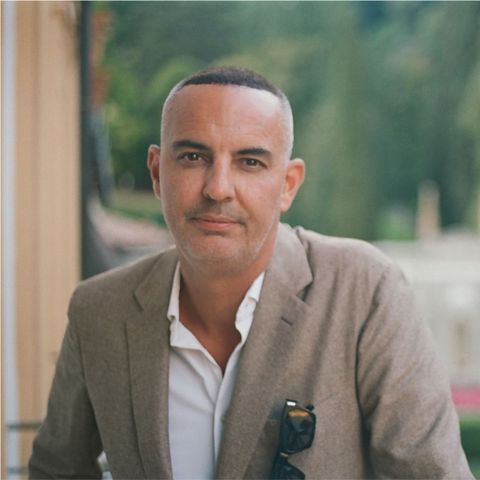
Co-founder, President & COO
Leads operations, construction and site delivery. Data-center developer behind Project Growler, a proposed 600,000 sq ft data-center campus in Indiantown, Florida, with hands-on experience in site development, permitting and community engagement.
Co-founder & Head of Development
Originated the energy-first compute thesis and the Compute Vault model. Leads development: sites, gas supply, permitting, partners, and customer and VC relationships.

Co-founder & Head of Real Estate Acquisitions
Co-founder and Principal of Highpoint Property Group, a New York real estate developer and owner focused on multifamily and mixed-use assets. Previously Head of Acquisitions at Naftali Group. Leads land and site acquisition.
Talk to us
We're talking with capacity buyers, venture funds, gas producers, builders and investors now. Tell us what you need.
Prefer email? contact@arcticdatacenters.com